3 Tips for Script Fonts Pairing
Once you’ve chosen your script fonts, putting them together can provide its own difficulties. Given the variety of combinations and styles available, combining various fonts can be both exciting and overwhelming. Finding the fonts that are best for your project takes effort and dedication, just like with any font combination. Here are three pointers to get you started:
Script fonts have long been used in branding, wedding invitations, product packaging, and other contexts. No matter the fad or the time of year, it is clear that these fonts will endure. That is because choosing and coordinating your script fonts can appear like a challenging undertaking because they are adaptable enough to blend into a classic, playful, grungy, or romantic look.
Tip #1: Select your script font first
It’s simpler to get started by concentrating exclusively on your script font at first because it will be the highlight of your font selection. Instead of starting with your pair of fonts, you can save time by browsing for just one. This will enable you to quickly zero in on script fonts that complement your brand or project.
Get crystal clear on the message you want your fonts to express at this time. Yes, the countless options can be confusing, but try to imagine each script font as having an own personality. Consider terms that express the idea you want to convey, whether it be through your brand or project. search for script fonts that will work visually after that.
Tip #2: Make your combination stand out by adding contrast
It’s crucial to establish contrast when matching fonts in order to distinguish between the different fonts in your font palette. Contrast between your typefaces prevents them from competing with one another while also adding aesthetic intrigue. It enables each section of your content to stand alone for a reason and gives them distinct duties within the overall design.
Strive to find opposing typefaces that are more structural, straightforward, and bold to combine with script fonts since they will naturally come across as more organic and flowing, like in the example below. You may already be aware that not every design guideline must be adhered to precisely. If you find typefaces that go well together but aren’t sufficiently contrasted, you have potential for innovation.
Take the time to experiment with your pair since it will rely on the particular requirements of your project, typefaces, and brand.
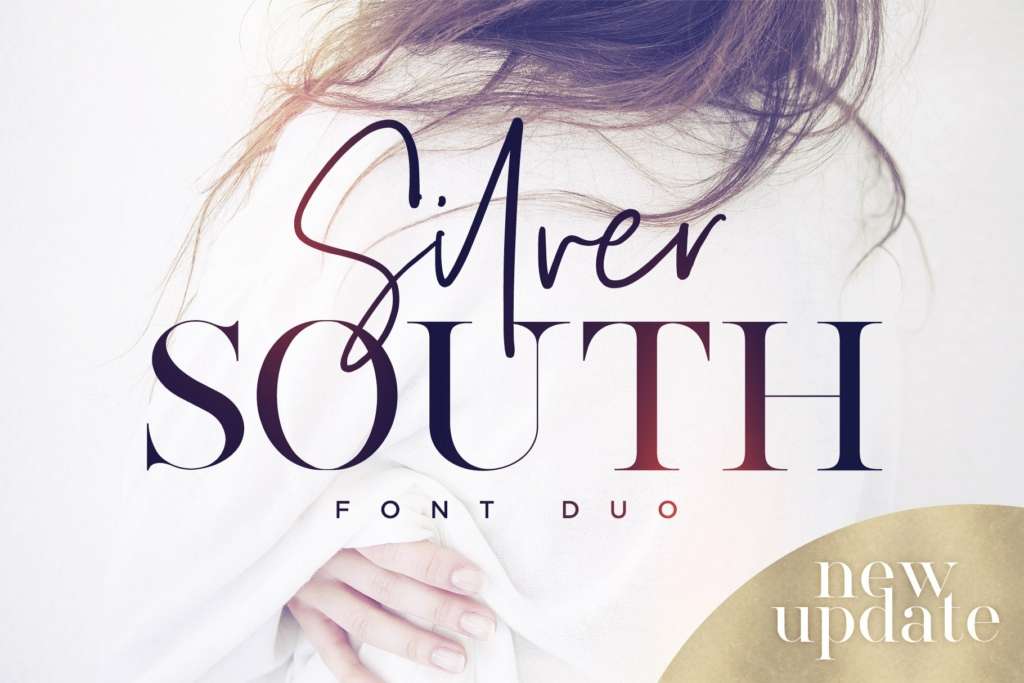
Silver South by Sam Parrett
Tip #3: Take into account the context of your fonts
Understanding the context of each font’s intended use is essential when combining fonts. For instance, if you are designing a wedding invitation, keep in mind that the script font will be used sparingly (as in the example below) and in large size. It’s best to put the words you’ll use into writing so you can see how it works with the rest of your project or brand design.
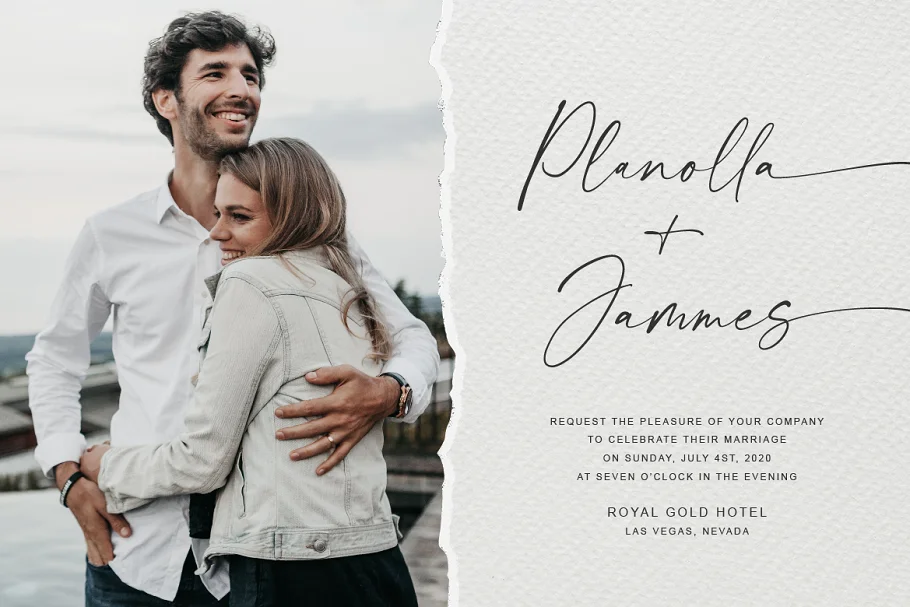
Modernline by Ef Studio
When selecting any fonts, consider how often, where, and in what size each font will be used. Sometimes fonts can appear to match together nicely in theory, but you can’t decide on them until you see how they function together in your particular context.
Try These 3 Script Pairings
With these 3 examples, you can now see how to use these font-related suggestions. Finding the ideal fit takes time, patience, and trial-and-error, much like learning a new design technique.
Last but not least, as you can see in these instances, when matching your fonts, be careful to play about with uppercase, lowercase, kerning, and line spacing for your non-script font.

Apothecary Script Font Duo by pixelcolours in Fonts
You can always look for fonts that come in pairs like the ones above if you need some defined direction. By doing this, you may avoid pairing and be sure that your typefaces are a perfect fit. This pair complements each other beautifully since “apothecary” has a sleek, contemporary line and “typewriter” adds a more grungy appearance, which makes a lovely contrast.
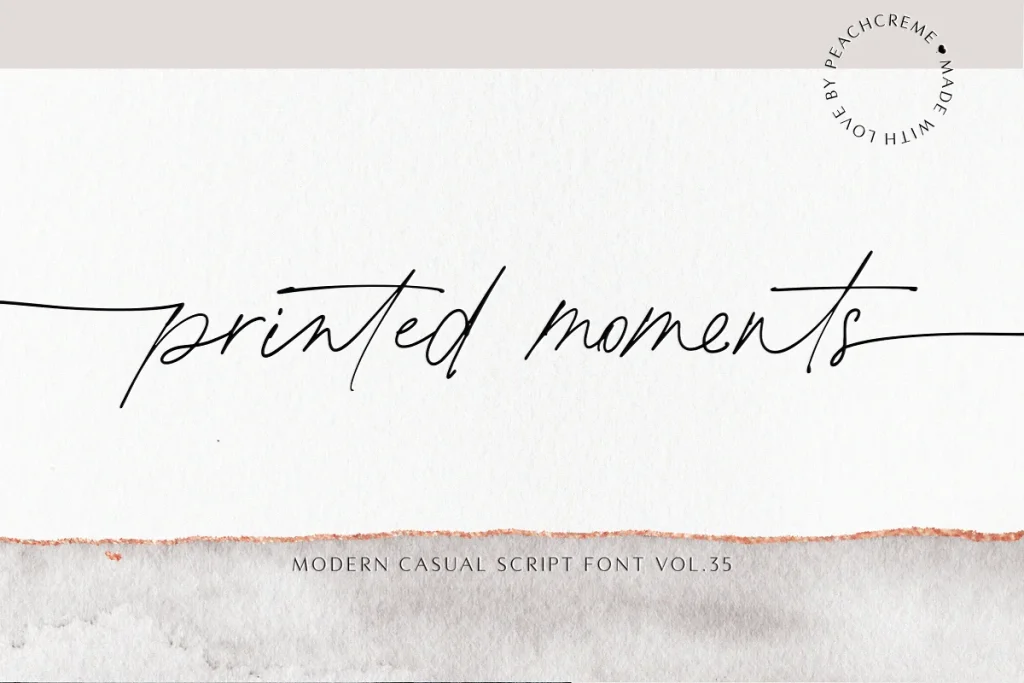
printed moments//modern casual font by PeachCreme in Fonts
The contrast between our second example and the first is balanced rather than clashing. This is because Glacial Indifference generates a bold structure, whereas Printed Moments is more of a free-flowing font. These 2 function independently of one another because they don’t have any shared design elements.
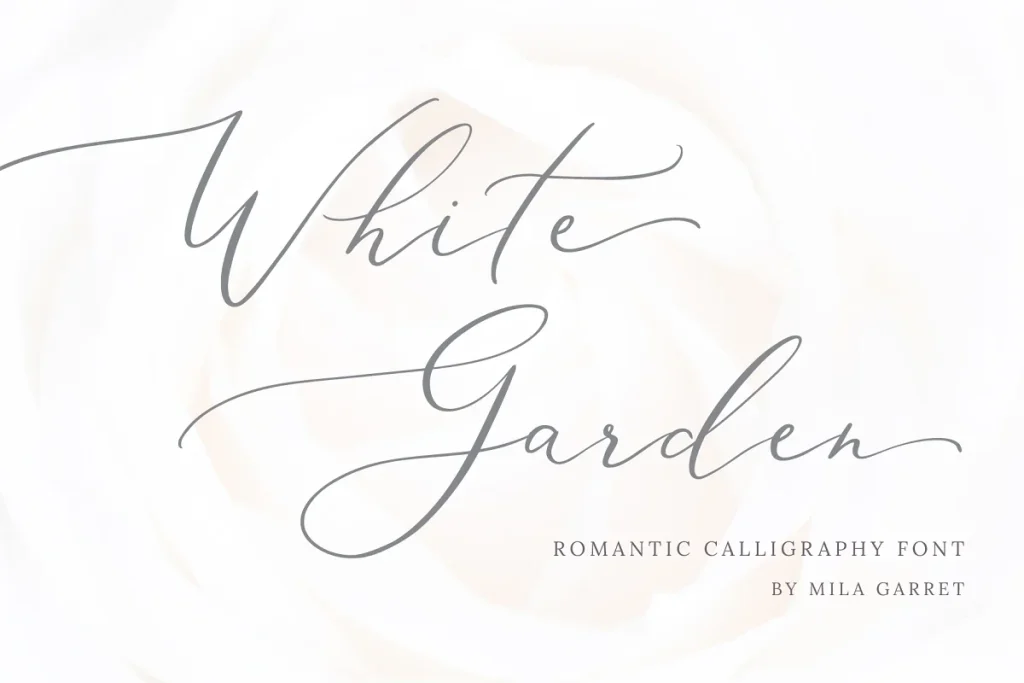
White Garden Calligraphy Logo Font by Mila Garret in Fonts
Last but not least, these two typefaces are combined because they contrast with the other instances in this paragraph. Despite their structural differences, they do have a common traditional motif, which when combined with one another generates harmony.


0 Comments